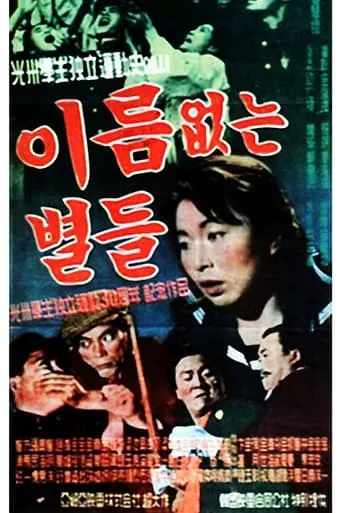
A 90-year-old cinema, seven musicians, and one stubborn painter refusing to let art die.
Cinema Gwangju is the first theater in the Honam-region and the only theater that opened in 1935. The cinema has screened films in its original place up to these days. A musician Gonne Choi invites the seven musicians to share "Gwangju-ness" from her own perspective and they visit the cinema to speak and sing about their own "Withstanding and Existing". This documentary also contains the story of the painter Park Tae-gyu, who continuously has been working on hand-painting movie posters from the 1990s until today.
Cinematography
Loving portraits of decaying cinema architecture and hand-painted posters.
Production
Rare access to Korea's oldest continuously operating theater.
Sound
Seven musicians interpreting 'Gwangju-ness' through original performances.
Director
Gwon Churl
Trivia, insights & behind the scenes
Gwangju carries unique political weight in Korea as the site of the 1980 democratic uprising; 'Gwangju-ness' implicitly channels this legacy of resistance.
Hand-painted movie posters were once standard in Korea; Park Tae-gyu may be among the last practitioners of this dying craft.
No ratings yet
Sign in to join the discussion — comments are spoiler-gated to your watch progress.
Discussion starters

 KR
KR