
A thousand-year fox feud meets da Vinci's forbidden love — all sung by women in sequins.
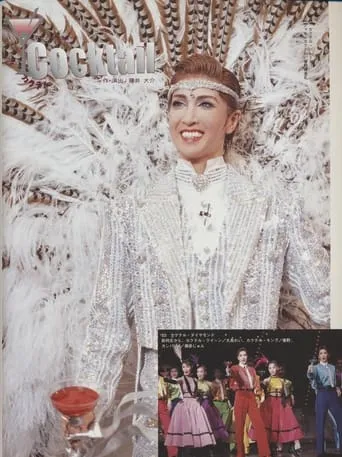
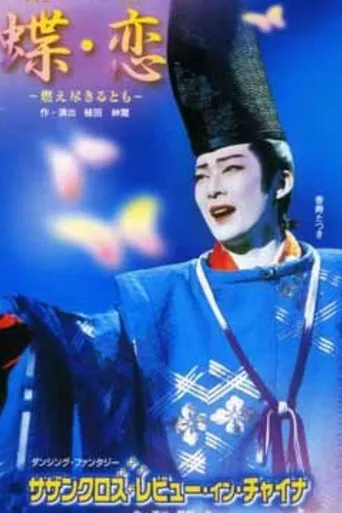
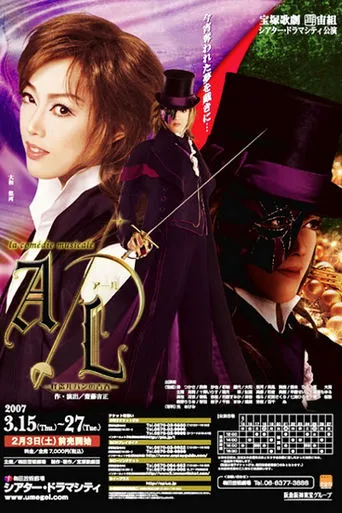
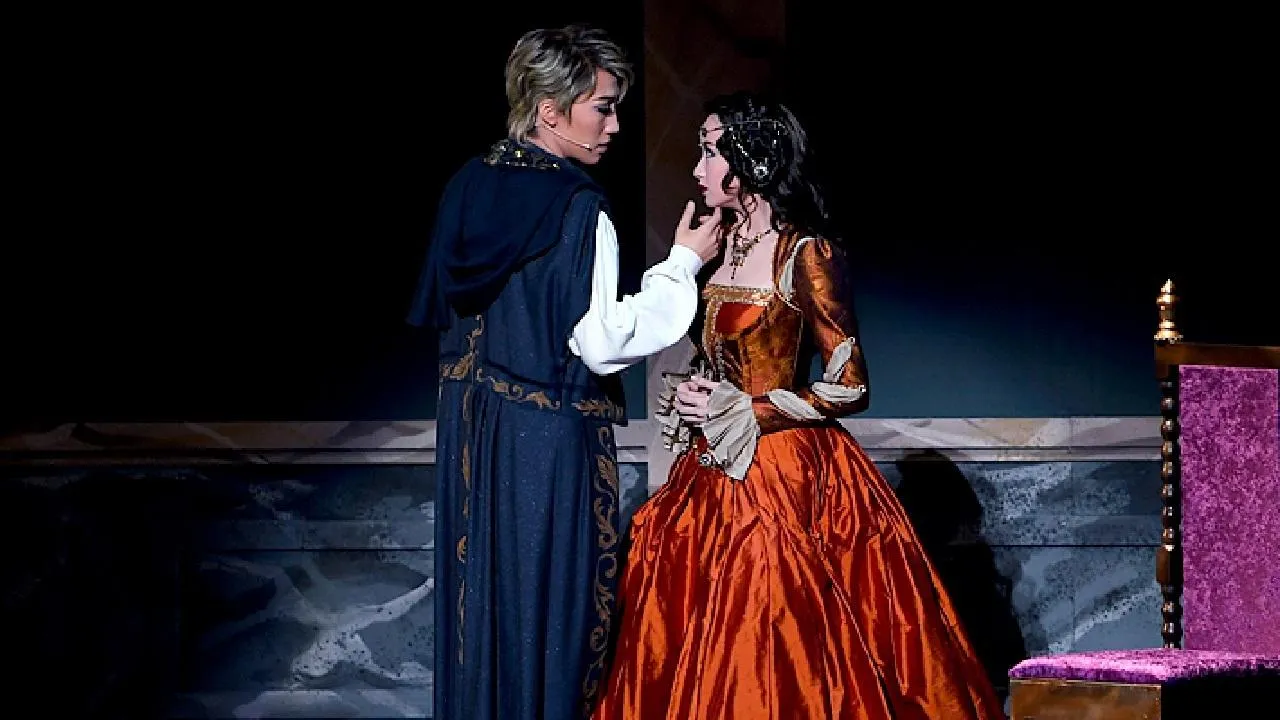
Castle of the White Heron Nearly 1,000 years ago, in the ornate capital of Heian-kyo, there was a young, fair-skinned man of noble birth by the name of Abe no Yasunari, who was also a diviner. His foe was Tamamo no Mae. She was a bewitching magical fox who deceived the hearts of men. Time passed. Places changed. Now, the decisive day approaches at the splendid, renowned fortress known as the Castle of the White Heron. At times with grace, at times mysteriously, this revue of a Japanese tale depicts the fate of the diviner and the magical fox, in conflict and drawn to each other over the course of reincarnations spanning a millennium. Outsiders in the Renaissance While Leonardo da Vinci is celebrated as an all-around genius, there is still much about his life that remains unknown. One theory is that the inspiration for his creations was his love for a woman. This production depicts the affection and hatred between da Vinci and the figures in his life.
Costume
Heian robes to Renaissance velvet — maximalist eye candy overload.
Acting
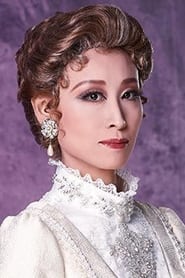
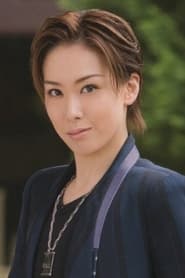
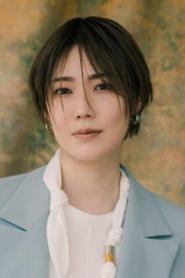
Women playing men playing tortured geniuses with devastating conviction.
Production
Two centuries of spectacle crammed into one delirious double bill.
Director
Tabuchi Daisuke
Trivia, insights & behind the scenes
Takarazuka's all-female troupes invented 'male' performance in Japanese theatre; the otokoyaku tradition makes every romance subversive by design.
Cast members play dual roles across both halves — spot who returns as what, a game the production quietly invites.
No ratings yet
Sign in to join the discussion — comments are spoiler-gated to your watch progress.
Discussion starters


 JP
JP