A 31-minute gut punch: watching a culture evaporate in real time.
Kalfou is a village in Far North Cameroon. It lies on the front-line of global climate change as the Sahara desert creeps ever southward into once fertile human habitats. Halilou Siddiki, a Fulani elder of Kalfou, introduces us to the problem of chronic water shortage and shows us its effects on everyday life.The whole region is becoming ever more marginal in feeding its people and the animals, central to the economy – and to culture. The permanent drought situation is pushing some people to burn the bush in search of small animals and to make wood gathering and selling easier. Also climate change is forcing elephant herds to invade and destroy croplands. These secondary effects make the water problem worse. But the wet season finally arrives in Kalfou and along with the rain we see the blooming of the joy of life and abundant harvests. But Halilou worries that the rain period gets shorter each year; that it will no longer sustain his people in their homeland.
Direction
Dairou lets silence and waiting do the screaming.
Cinematography
The wet season bloom hits like visual relief after drought.
Sound
Absence of water becomes its own character.
Director
Hamidou Moussa Dairou
Trivia, insights & behind the scenes
The Fulani are traditionally nomadic pastoralists across the Sahel; forced settlement due to water scarcity is dismantling millennia of movement-based identity.
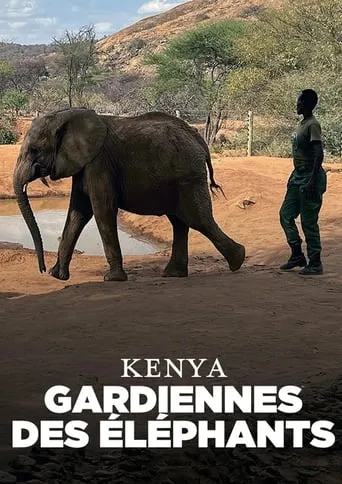
Elephant crop-raiding increasing due to climate displacement is a documented phenomenon across West Africa—here, it's framed not as wildlife conflict but as symptom of systemic collapse.
No ratings yet
Sign in to join the discussion — comments are spoiler-gated to your watch progress.
Discussion starters

 CM
CM NO
NO