A drunk poet loses his heart three times—to a doll, a mirror, and a voice that kills.
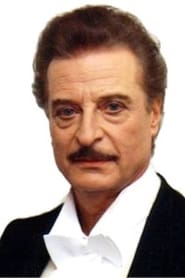
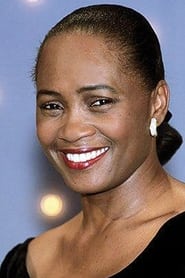
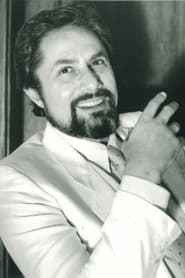
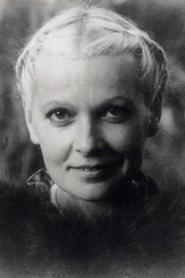
"Despite the multitude of characters and situations, the plot is simple: the eternal flow of life. It is based on Les contes fantastiques d’Hoffmann, a play by Jules Barbier and Michel Carré, who were inspired by some of the stories of the German E.T.A. Hoffmann. On a drunken night in the city, Hoffmann tells how he courted and lost three girls, his impossible loves: Olympia, a mechanical doll that only he believes to be truly human; Giulietta, the courtesan who steals his reflection in a mirror; and Antonia, a young woman who sings until she literally dies." Venue & Opera Company: Teatro Regio di Parma Recorded: 1988 Singers: Alredo Kraus, Ruth Welting, Jonathan Omilian, Barbara Hendricks, Elena Zilio, Nicola Gjiuselev, Bruno Buulgarelli, Francis Egerton, Aldo Bottion Orchestra: Orchestra Sinfonica dell'Emilia-Romagna "Arturo Toscanini" Chorus: Coro del Teatro Regio di Parma Chorus Master: Adolfo Tanhzi Stage Director: Beppe de Tomasi
Acting
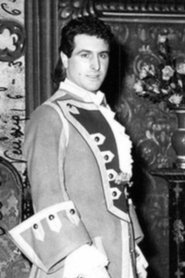
Kraus embodies Hoffmann's romantic ruin with devastating restraint.
Production
Parma's 1988 staging: maximalist baroque excess, gloriously unhinged.
Direction
De Tomasi weaves three tales into one man's unraveling psyche.

Director
Beppe de Tomasi
Trivia, insights & behind the scenes
Offenbach died before completing Hoffmann; this 1988 Parma production uses the controversial 'traditional' ending where Hoffmann loses everything.
E.T.A. Hoffmann's original stories inspired Freud's 'uncanny'—the opera literalizes this through living dolls and stolen reflections.
No ratings yet
Sign in to join the discussion — comments are spoiler-gated to your watch progress.
Discussion starters

 IT
IT