A Brazilian playboy thinks he's James Bond meets Sartre. Spoiler: philosophy doesn't pay the bills.
A shockingly irreverent follow-up to the rural austerity of Barren Lives, dos Santos’ Godardian social satire owes more than a nod to the self-conscious antics of the French New Wave. The pampered son of a general, El Justicero is a hipster playboy who fancies himself a James Bond/Jean Paul Sartre urban hero. “Archetypical” yet “full of contradictions,” he sees that justice is achieved for the disadvantaged while taking advantage of certain bourgeois perks. His exploits are closely followed and eventually directed by his biographer who decides a film is not only more lucrative than a book, but it gives him the luxury of reviewing previous scenes. Unlike Bond, El Jus eventually experiences an awakening which threatens to compromise the entertainment value and glamour of his life story. - Harvard Film Archive
Direction
Dos Santos channels Godard with tropical swagger and political bite.
Writing
Self-reflexive screenplay that keeps folding in on itself like cinematic origami.

Director
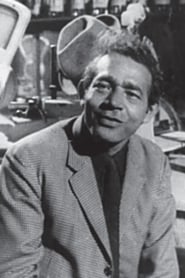
Nelson Pereira dos Santos
Trivia, insights & behind the scenes
Released during Brazil's military dictatorship, the film's satire of elite complacency carried genuine political risk—dos Santos smuggled radical ideas inside a glossy, playful package.
The biographer's intrusion mirrors how Cinema Novo filmmakers negotiated between artistic integrity and commercial pressures under authoritarian censorship.
No ratings yet
Sign in to join the discussion — comments are spoiler-gated to your watch progress.
Discussion starters


 BR
BR