Avant-garde artists, chemical warfare, and Lenin's assassin walk into a bar—no, really.
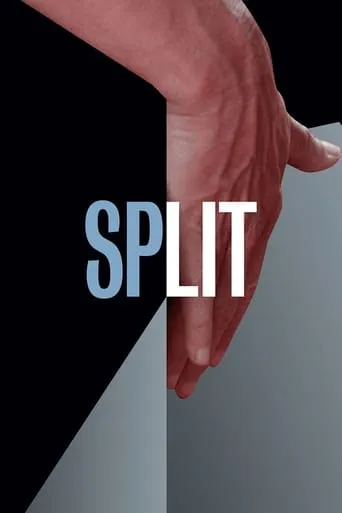
The film enters into a dialogue with biographism as a method of interpreting art, while also showing that it is impossible to escape biographism entirely. Its creators recognize the value in the attitude of avant-garde artists, which lay in overcoming life’s adversities and pushing their imagination beyond what others consider an insurmountable horizon. In this film, nothing is as it actually happened—and this not-happening is intentional. By watching situations that never took place, we can draw conclusions about the things that did. The viewer steps into the role of a detective, because a crime has been committed in this story. Among the suspects are: Fanny Kaplan, who attempted to take Lenin’s life; Fritz Haber, the father of chemical warfare, and his wife, who took her own life in despair; as well as the cities Paris, Moscow, St. Petersburg, and Łódź.
Acting
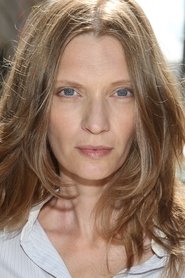
Agata Buzek plays five women across history—none of them herself.
Direction
Lankosz weaponizes biographism against itself. Chaos, but make it thesis.
Writing
A 45-minute manifesto disguised as a detective story.

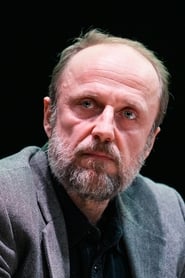
Director
Borys Lankosz

Trivia, insights & behind the scenes
Katarzyna Kobro and Władysław Strzemiński were real Polish avant-garde pioneers whose abstract sculptures and Unism theory were destroyed by Nazi and Soviet regimes alike.
Clara Immerwahr—Fritz Haber's wife—was herself a brilliant chemist who killed herself after his first gas attack; the film's inclusion of her among 'suspects' reclaims her from historical footnote.
No ratings yet
Sign in to join the discussion — comments are spoiler-gated to your watch progress.
Discussion starters

 PL
PL