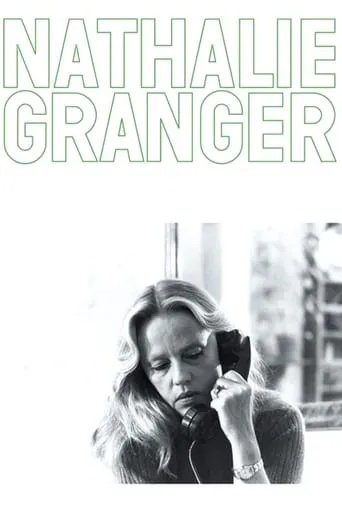
Writer and filmmaker Assia Djebar explores Algerian history, the psychological impact of war, and post-colonial female identity in this 1979 classic of film literature. Named for (and taking its structure from) a traditional song with five distinct movements, the film combines documentary-style observation with loose narrative form to tell the story of Lila, an Algerian expatriate returning to her country 15 years after independence has been won. In comparing her life with the lives and experiences of rural Algeriennes, Lila is able to put her childhood demons to rest and discover a new history -- one written in the ongoing strength of generations of women. Like much of Djebar's writing, the film has a strong subtext dealing with resistance to patriarchy and women's desire to appropriate the means of power and expression -- one of which, of course, is the filmmaker's camera.
Direction
Djebar fractures narrative like colonial history fractured memory.
Sound
The nouba structure weaves women's voices into a living score.
Cinematography
Rural Algeria shot with documentary intimacy and poetic distance.

Director
Assia Djebar

Trivia, insights & behind the scenes
The nouba is a classical Andalusian musical form with five movements—Djebar structures her film like a song older than Algeria's borders, suggesting women's experience as continuous cultural resistance.
Djebar was already famous as a novelist; this was her first and only feature film. She called it 'impossible to write,' forcing herself into images because colonial language had already failed her.
No ratings yet
Sign in to join the discussion — comments are spoiler-gated to your watch progress.
Discussion starters




 DZ
DZ