Set in 1937 Stalinist Georgia, the film traces the parallel destinies of a mother, condemned by the government as "an enemy of the people" and exiled to a work camp in Siberia, and her daughter, who meanwhile is sent to an orphanage. Arriving at the overcrowded work camp, the mother and other women who are not considered strong enough to be labourers, must journey still farther, crossing the icy Siberian landscape in search of food and shelter. At the same time, the daughter escapes the orphanage and returns to her former home, where she finds that a KGB officer has taken up residence. He protects her and an uneasy rapport between them develops—one of abhorrence and attraction, need and suspicion.
Direction
Goghoberidze's unflinching female gaze on systemic cruelty.
Cinematography
Siberia as beautiful and murderous as the state itself.
Acting
Nino Surguladze's trembling, defiant Anna.

Director
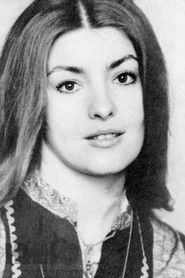
Lana Goghoberidze

Trivia, insights & behind the scenes
Made in post-Soviet Georgia, this is one of the few films by a woman director examining Stalinist repression from inside the former USSR. Goghoberidze had to fight for years to get it produced.
The title's 'waltz' refers to an actual musical motif that haunts the film—apparently the director's own mother had danced to it before her arrest in 1937.
No ratings yet
Sign in to join the discussion — comments are spoiler-gated to your watch progress.
Discussion starters




 GE
GE