Festive Land examines one of the largest and most extraordinary popular celebrations in the world, the week-long Carnival that brings more than two million people to the streets of Salvador, the capital of Bahia, in northeastern Brazil. Carnival is the most expressive showcase of the unique cultural richness of Bahia, where African culture has survived, prospered, and evolved, mixing with other Brazilian influences to create forms found nowhere else in the world. The film captures this unique cultural energy through extraordinary footage of musical performances, dances, religious manifestations, and street celebrations. At the same time, Carnival reflects the racial and social tensions of Brazil's heterogeneous society. At first glance there appear to be two million people chaotically mixed on the streets, but a more detailed look reveals how patterns of segregation driven by racial, social and economic differences continue in Carnival.
Direction
Moraes-Liu lets contradictions breathe—no easy answers, just truth.
Sound
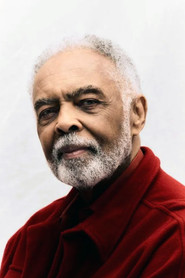
Gilberto Gil and Daniela Mercury's performances are pure ancestral electricity.
Cinematography
Street-level chaos captured with deliberate, unflinching intention.
Director
Carolina Moraes-Liu
Trivia, insights & behind the scenes
Bahian Carnival's trio elétrico system was invented in 1950 by Dodô and Osmar—innovation born from working-class Black creativity that corporate sponsors later dominated.
Gilberto Gil was exiled by Brazil's military dictatorship in 1969; his return and Cultural Minister tenure make his Carnival presence a statement on art as resistance.

No ratings yet
Sign in to join the discussion — comments are spoiler-gated to your watch progress.
Discussion starters




 US
US BR
BR