Nazis ruined climbing movies, then these French poets saved them. Peak cinema, literally.
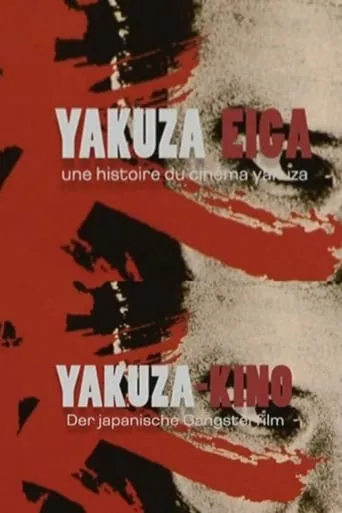
A fascinating chronology of 100 years of mountain film history in the Alps. This documentary focuses primarily on films shot on the Matterhorn, the Eiger, and the Grandes Jorasses, considered until the 1930s as the "last problems of the Alps," and shows the evolution of mountain filmmaking through numerous excerpts from documentaries and feature films – notably on the Matterhorn in 1901. The genre, appropriated as a means of mass exaltation by "fascist" regimes during the Second World War, was reinvented in the 1950s by Gaston Rebuffat, Marcel Ichac, and Lionel Terray in the Mont Blanc massif, avant-garde figures of French mountain cinema, who reintroduced, beyond performance, the values of the mountains – and in color – poetry, humor, and sharing among people from all walks of life.
Direction
Fanck and Panitz weave propaganda footage into poetic redemption arc.
Editing
1901 Matterhorn footage to Technicolor Mont Blanc — 50-year glow-up.
Director
Matthias Fanck



Kurt Diemberger
Self
Jean Afanassieff
Self
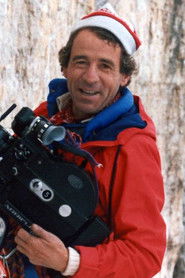
Lothar Brandler
Self
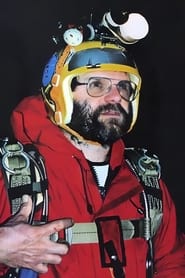
Leo Dickinson
Self
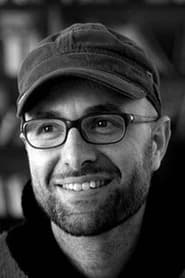
Philipp Stölzl
Self
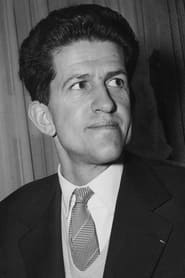
Gaston Rébuffat
Self (archive footage)
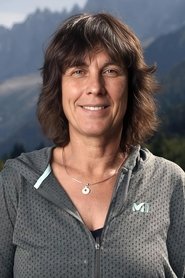
Catherine Destivelle
Self
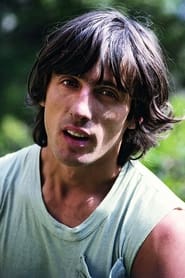
Patrick Berhault
Self (archive footage)
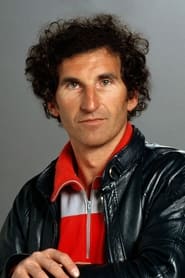
Jean-Marc Boivin
Self (archive footage)
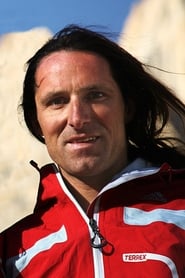
Alexander Huber
Self
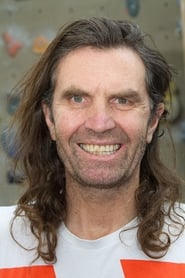
Thomas Huber
Self (archive footage)
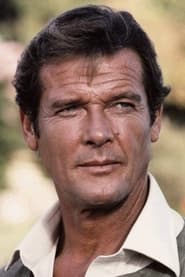
Roger Moore
Self (archive footage)

Willy Bogner
Self
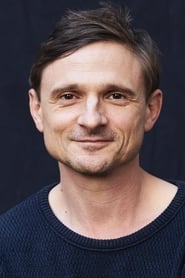
Florian Lukas
Self (archive footage)
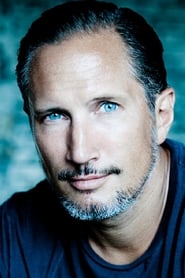
Benno Fürmann
Self (archive footage)
Trivia, insights & behind the scenes
The 'Bergfilm' genre was essentially Leni Riefenstahl's training ground — her 1929 acting debut 'The Holy Mountain' established visual tropes she'd later use for Nazi propaganda.
Gaston Rébuffat's 1956 'Étoile et Tempête' was the first color mountain film shot in the Mont Blanc massif — he developed techniques to film in storms that are still used today.

No ratings yet
Sign in to join the discussion — comments are spoiler-gated to your watch progress.
Discussion starters


 DE
DE