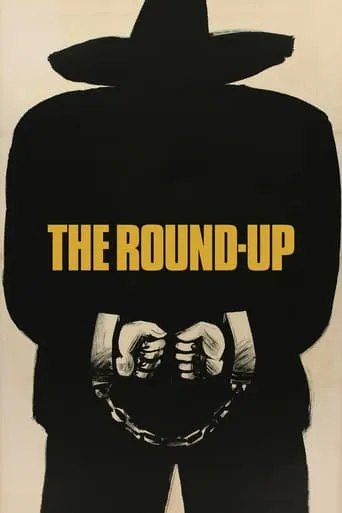
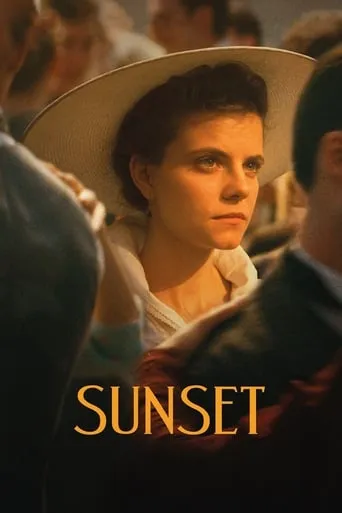
Budapest, 1948. Gyula Molnár, interpreter to the Supervisory Committee of the Allied Powers, is carried away from a party by plain-cloth police investigators. Recsk, 1950. Molnár, having attempted an escape and with a wound made by a bullet in his neck - is doggedly trying to get into the brigade of brick-layers, as escape is easiest from there.
Acting
Żmijewski's physicality speaks when words are dangerous.
Direction
Gyarmathy's documentary roots bleed into fiction.

Director
Lívia Gyarmathy
Trivia, insights & behind the scenes
Recsk was Hungary's most notorious Stalinist labor camp; the film was shot on location with survivors consulting, making it rare communist-era reckoning cinema.
Daniel Olbrychski, Poland's biggest star, took a supporting role specifically to help Gyarmathy—one of few Hungarian female directors working under the regime—get international distribution.




 HU
HU