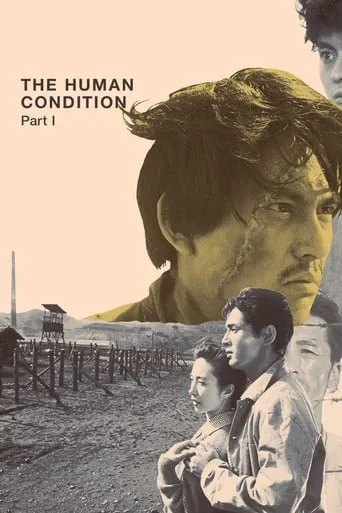
In 1941, overpopulated Japan faces an economic boycott and its armed forces push further to the south. And despite negotiations between Japan and the U. S. A. war is declared with the attack on Pearl Harbour. Victories follow for Japan on land and sea and her forces push forward to the borders of India. But gradually the tide turns in favour of the Allies and after the atom bombings of Hiroshima and Nagasaki, Japan is compelled to accept the Potsdam Declaration and by the order of the Emperor agrees to unconditional surrender. Under the supervision of the occupation forces the International Military Tribunal opens in Tokyo to try the Japanese war leaders. Established in the cause of justice, and to prevent future aggressive wars the trials drag on for two and a half years. And on December 23, 1948, General Tojo and six other war leaders mount the thirteen steps to the gallows at Tokyo's Sugamo prison.
Production
Rare 1959 Japanese perspective on Pacific War culpability.
Acting
Kanjuurō Arashi's restrained, damned Tojo.
Director
Kiyoshi Komori

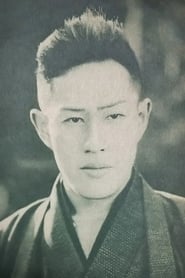
Kanjūrō Arashi
Hideki Tojo
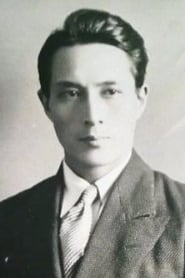
Minoru Takada
Prime Minister Konoe
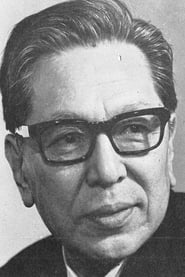
Masao Shimizu
Kōki Hirota

Hiroshi Hayashi
Foreign Affairs Minister Togo
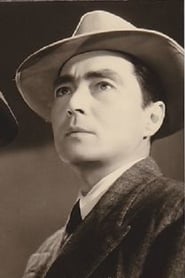
Joji Oka
War Minister Anami

Toshiaki Konoe
Ambassador Nomura
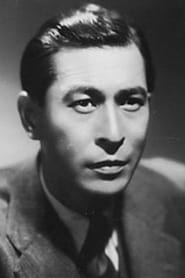
Ichirō Ryūzaki
Admiral Yamamoto
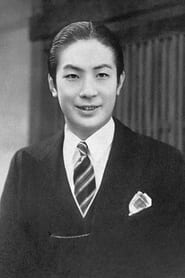
Kōtarō Bandō
Admiral Yonai
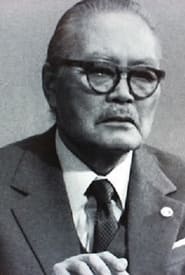
Takamaru Sasaki
Counsel Kiyose
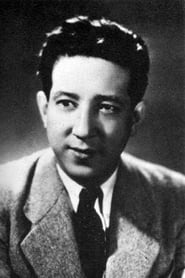
Ureo Egawa
Counsel Shimazu
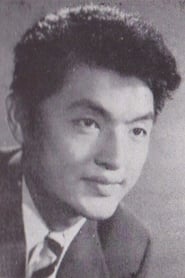
Yōichi Numata
Counsel Hayashi
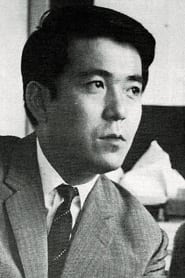
Shinsuke Mikimoto
Trivia, insights & behind the scenes
Made during Japan's 'economic miracle' recovery, this was one of few domestic films addressing war guilt — most Japanese cinema of the era avoided the topic entirely.
Director Kiyoshi Komori was a former propaganda filmmaker for the Imperial Army; his pivot to documenting the trials carries its own unresolved tension.
No ratings yet
Sign in to join the discussion — comments are spoiler-gated to your watch progress.
Discussion starters




 JP
JP