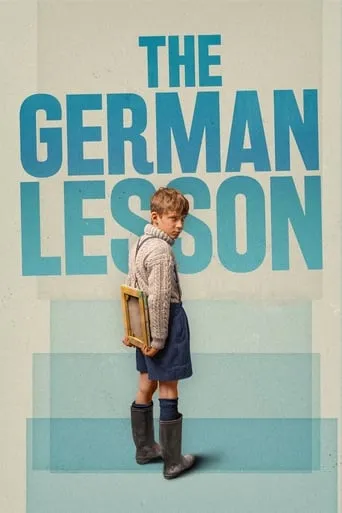
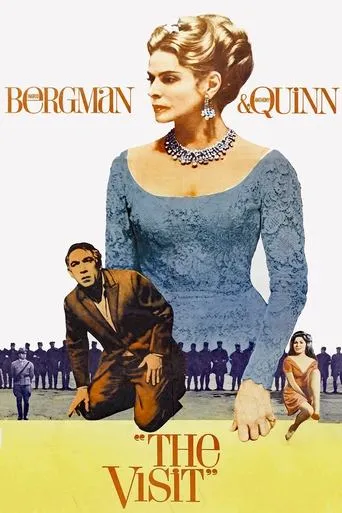
Shortly before the outbreak of World War II, the paths of three people on the run cross by chance in the small Baltic Sea port of Rerig: Gregor, a member of the Communist Party of Germany (KPD); Judith, a Jewish woman; and a pastor who wants to save an Ernst Barlach sculpture classified as degenerate art. All those involved share a common fate and the dream of a fisherman's boy from Zanzibar, which is less a real goal than a utopia of a better future. Adaptation of Alfred Andersch's novel.
Direction
Wicki's final film—controlled, mournful, almost funereal in its precision.
Cinematography
Gray Baltic light that makes hope feel like a distant memory.
Writing
Andersch's novel translated with literary weight, not cinematic speed.

Director
Bernhard Wicki


Trivia, insights & behind the scenes
Ernst Barlach's 'Der Güstrower Totenklage' was indeed seized by Nazis in 1937; the film's sculpture is fictional but grounded in real persecution of artists.
Wicki, himself exiled during the Nazi era, died four years after this film—his career bookended by Germany's 20th-century wounds.
No ratings yet
Sign in to join the discussion — comments are spoiler-gated to your watch progress.
Discussion starters




 DE
DE CH
CH