A dead king's feast, reborn in pixels — history looping like a Mobius strip.
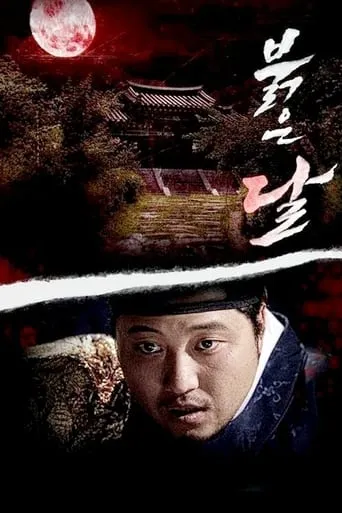
The film chases a historical event when King Jungjo tried to replace hispersonal revenge on those who killed his father Sado, the Crown Prince, with agreat cause to build up a nation for its people, which eventually leads to remind the lessons of history that repeat permanently like a Mobius strip. The film seems to aim to introduce the uniqueness of Uigwe with a historical yet futuristic value as a World Heritage on the surface, but in fact, it pursues torestore audio-visually the immaterial thing that remains only as a record under the name of feast. Inside the device receiving images, there might have been desires to reproduce the world or to secularize the invisible from the beginning. Hungry TV will awaken the potential to visualize all the intangible via digitaltechnology. So to speak, there is digital technology, and it is followed by aquestion: How far the digital technology of 21st century would lead this deviceto?
Direction
Choi Pil-gon treats archives like living tissue.
Sound
Yeo Jin-goo's narration haunts without comforting.
Director
Choi Pil-gon

Trivia, insights & behind the scenes
The Uigwe were royal protocol texts so detailed they included every dish and dancer — colonizers stole them, Korea finally reclaimed some in 2011, making this film's 'restoration' politically loaded.
Crown Prince Sado died locked in a rice chest by his own father — Jungjo's feast attempts to rewrite this patricidal origin story into national myth, and the film knows it's failing.
No ratings yet
Sign in to join the discussion — comments are spoiler-gated to your watch progress.
Discussion starters

 KR
KR