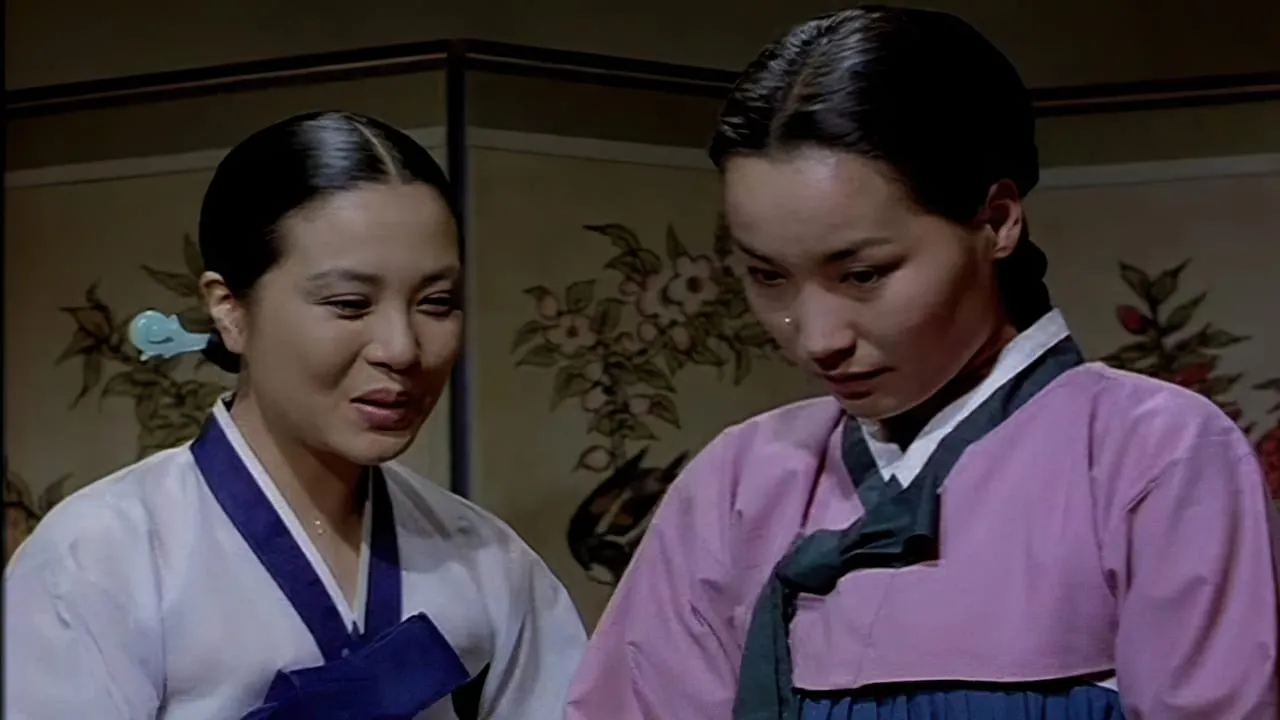
Sa Bangji was an intersex person who according to historical records lived during Korea’s Joseon Dynasty. Taken in by a kindly benefactor, Sa Bangji lives in a monastery that is one day visited by a young widow, Lee So-sa, who is in mourning following the death of her husband. The pair’s meeting seems predestined, with the erotic attraction between Sa Bangji and Lee So-sa soon evolving into something far more transcendent – and dangerous. While aspects of the film – its stylised depiction of female actors and sex – identify it as a product of its time, Sa Bangji is undeniably a milestone in screen representations of intersex people, a film that refuses to shy away from the horrendous stigmatization faced by its titular character.
Acting
Lee Hye-young's ferocious, vulnerable performance anchors every frame.
Cinematography
Shadow-drenched monastery halls that feel like prisons and sanctuaries.
Direction
Song Gyeong-sik balances exploitation era with genuine human dignity.
Director
Song Gyeong-sik
Trivia, insights & behind the scenes
Sa Bang-ji was a real historical figure mentioned in Joseon court records, though the film invents the romantic relationship.
Director Song shot this during Korea's strict censorship era; the erotic scenes were the only way to get intersex representation past censors who'd otherwise ban queer content entirely.





 KR
KR