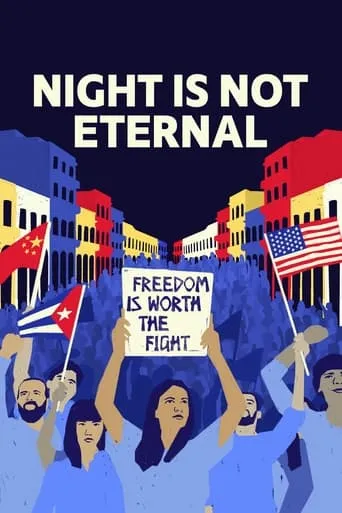
Born to Korean immigrant parents freed from indentured servitude in early twentieth century Mexico, Jerónimo Lim Kim joins the Cuban Revolution with his law school classmate Fidel Castro and becomes an accomplished government official in the Castro regime, until he rediscovers his ethnic roots and dedicates his later life to reconstructing his Korean Cuban identity. After Jerónimo's death, younger Korean Cubans recognize his legacy, but it is not until they are presented with the opportunity to visit South Korea that questions about their mixed identity resurface.
Direction
Juhn weaves archival gold with wrenching present-day returns.
Production
Access to Cuban state archives and Korean family letters.

Director
Joseph Juhn
Trivia, insights & behind the scenes
Director Joseph Juhn stumbled onto Jerónimo's story while volunteering in Cuba and spent seven years tracking down scattered family archives across three continents.
The film captures a near-extinct community: fewer than 1,000 Korean Cubans remain, making Jerónimo's archival project effectively a salvage ethnography.

No ratings yet
Reactions from the web
오늘 다스뵈이다에서 이 영화를 알게 되었습니다. 저는 콜롬비아 보고타에서 한국학교 교사로 일을 하고 있습니다. 현재 전세계의 수많은 한국학교의 역사는 일제 강점기 이후 중국, 미국의 하와이, 중남미의 멕시코, 쿠바 등지로 자유와 살 길을 찾아 떠난 독립운동가와 노동자들의 역사와도 깊은 연관이 있음을 알게 되었습니다. 개인적으로는 세 번이나 쿠바를 방문한 적 있고 이 곳에서 그리 멀지 않은 곳의 이야기라 더욱 가깝게 느껴지는 주제네요. 곧 온라인으로도 이 영화를 만나 제대로 완성된 작품 꼭 보고 싶네요. 영화 작업 하시느라 수고 마~~~~이 하셨습니다, 전후석 감독님. 홧팅!
@karidibu 15
머나먼 이국땅에서 얼마나 힘드셨을까 이 영화가 많은 사람들한테 울림이 있기를 기대합니다
@하바나2 15
Eu moro na Coréia do Sul. Para honrar apenas nossos ancestrais imediatos, Trabalharemos mais na frente da história no Dia da Libertação, educaremos nossos filhos alegremente e viveremos com gratidão. Obrigado.
@goqud823 3
Sign in to join the discussion — comments are spoiler-gated to your watch progress.
Discussion starters



 US
US