The CIA had Hollywood—Cuba had Santiago. A weaponized camera changes history.
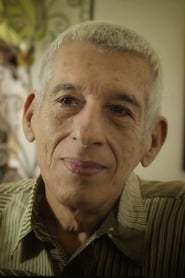
In a small island convulsed by the 1959 revolution, Santiago Álvarez used the Seventh Art as a political weapon and created an aesthetic that became a reference in the documentary field. Santiago, who called himself a permanent traveler through history, registered the most significant facts of his time, from the Cuban Revolution to the disintegration of the Soviet Block. He took to spectators from all continents a counterpoint to the history narrated by the United States Information Service, USIS. Through his works, we dive into the Cuban political and cultural scene, the tensions of Latin America, the Vietnam War, the countless conflicts for African independence, always with a peripheral look that is characteristic of his cinema, currently converted into a memory of a world in transformation.
Editing
Santiago's rhythmic montage still shocks decades later
Direction
Tendler mirrors his subject's radical formalism

Director
Silvio Tendler
Trivia, insights & behind the scenes
Santiago Álvarez famously created '79 Springtimes of Ho Chi Minh' in just five days after Ho's death, editing in a Havana basement with a broken steenbeck.
The 'Tercer Cine' (Third Cinema) movement, which Santiago helped define, explicitly rejected both Hollywood commercialism AND European art-house elitism—cinema as direct action, not entertainment.
No ratings yet
Sign in to join the discussion — comments are spoiler-gated to your watch progress.
Discussion starters

 BR
BR