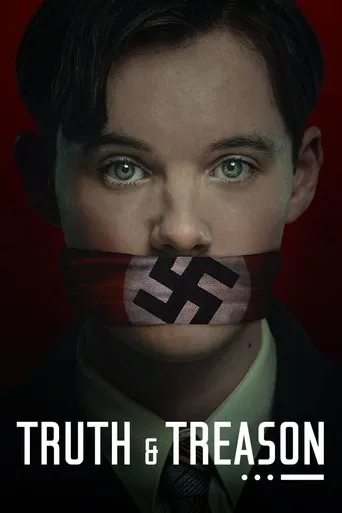
1938. While the Nazi troops march into Vienna, the lawyer Josef Bartok hastily tries to escape to the USA with his wife but is arrested by the Gestapo. Bartok remains steadfast and refuses to cooperate with the Gestapo that requires confidential information from him. Thrown into solitary confinement, Bartok is psychologically tormented for months and begins to weaken. However, when he steals an old book about chess it sets him on course to overcome the mental suffering inflicted upon him, until it becomes a dangerous obsession.
Acting
Masucci's descent from dignity to obsession is devastating.
Direction
Stölzl turns empty rooms into psychological torture chambers.
Sound
The silence screams louder than any score could.

Director
Philipp Stölzl



Oliver Masucci
Dr. Josef Bartok

Albrecht Schuch
Franz-Josef Böhm

Birgit Minichmayr
Anna Bartok

Rolf Lassgård
Owen McConnor

Andreas Lust
Johann Prantl

Samuel Finzi
Alfred Koller

Lukas Miko
Gustav Sailer

Joel Basman
Barkeeper Willem

Clemens Berndorff
Dr. Swoboda

Johannes Zeiler
Dr. Fink

Maresi Riegner
Maid Klara

Luisa-Céline Gaffron
Fridl

Moritz von Treuenfels
Policeman Erich

Carl Achleitner
Chess Player

Eric Bouwer
Dr. Wouters
Trivia, insights & behind the scenes
Based on Stefan Zweig's final novella, written in 1942 before his suicide in Brazil—this was his literary farewell to a Europe consumed by fascism.
The film mirrors Zweig's own exile: a Viennese intellectual who fled the Nazis, only to find that physical escape couldn't outrun psychological destruction. Bartok's chess mania reflects Zweig's fear that refugees become ghosts of their former selves.





 AT
AT DE
DE