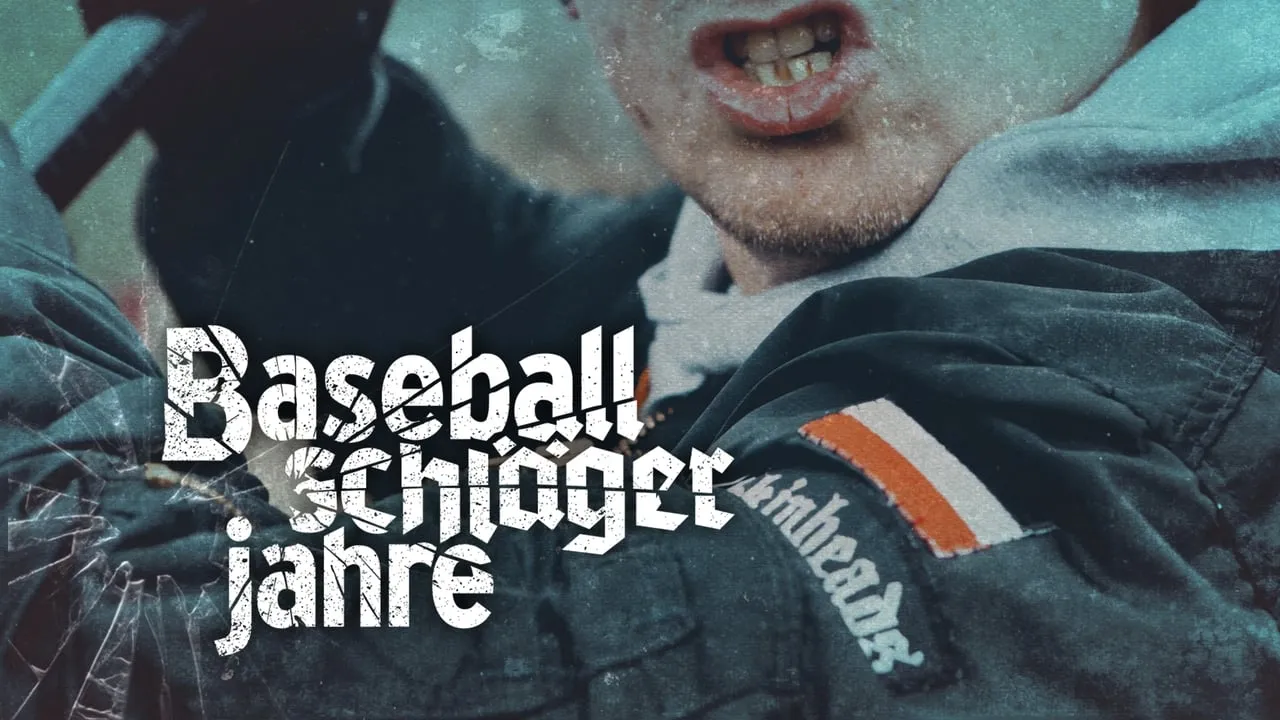

The '90s had a soundtrack of hate—baseball bats cracking skulls in reunified Germany.
After the end of the GDR, thrashings, threats and hunts were part of everyday life. In the years after the reunification of the early 1990s, hatred, racism and violence against foreigners and supporters of leftist ideology broken out in Eastern Germany. Most of those involved was young people. In many cities and towns, the streets and squares belonged to the right-wing scene, organized in neo-Nazi comradeships. Bomber jackets, combat boots and the Hitler salute showed the intimidated rest where they were. The baseball bat was a popular weapon. There were riots, attacks on asylum seekers' homes, mass brawls and hunt downs to those who look or think differently. It doesn't took long and the first deaths were to be mourned. The majority of the Eastern German population looked the other way or even applauded the deeds. A bad omen for the political development of later years. In six film segments, a team of authors take a look at the time reflected in interviews with contemporary witnesses.
Direction
Twelve directors weave one unflinching tapestry of witness.
Production
Archival restraint lets survivors' words carry crushing weight.
Editing
Six segments, no relief—structural refusal to look away.
Director
Christian Bangel


Trivia, insights & behind the scenes
The 'Wendegeneration' refers to those who came of age during the 1989-1990 transition—this film argues they became radicalized not despite but because of reunification's economic collapse.
Multiple directors (unusual for documentaries) mirror the fractured storytelling of trauma itself—no single voice could contain this history.
No ratings yet
Sign in to join the discussion — comments are spoiler-gated to your watch progress.
Discussion starters


 DE
DE