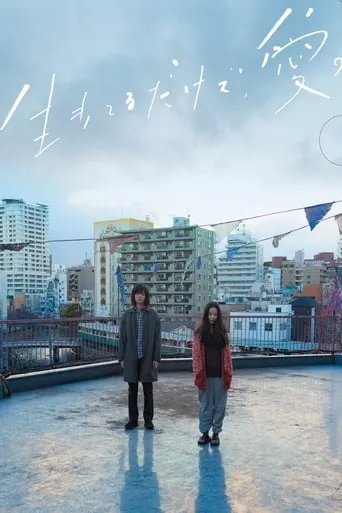
A million people disappeared in plain sight. Their parents are dying. Now what?
It's estimated over a million Japanese live as "hikikomori," recluses totally withdrawn from society. Some hikikomori may even go for decades without leaving their house. While in the past the phenomenon was most commonly associated with young men, recent data has revealed a much wider demographic of people whose confidence in themselves, and in society, has been shattered. As the parents or relatives hikikomori so often depend on entirely become too old to care for them, many now face a dire situation, left alone and unable to cope.
Direction
Patient observation without exploitation. Dignity preserved in every frame.
Editing
49 minutes feels both merciful and impossibly short.
Director
Toshitake Miyakawa

Trivia, insights & behind the scenes
Hikikomori was coined in the 1990s but the aging-parent crisis is new terrain—Japan now has hikikomori in their 50s and 60s.
The film's refusal to pathologize or redeem its subjects is its radical act—no redemption arc, just witness.
No ratings yet
Sign in to join the discussion — comments are spoiler-gated to your watch progress.
Discussion starters


 JP
JP