
An emperor forgives his own assassins—Mozart's final opera asks if mercy can survive politics.
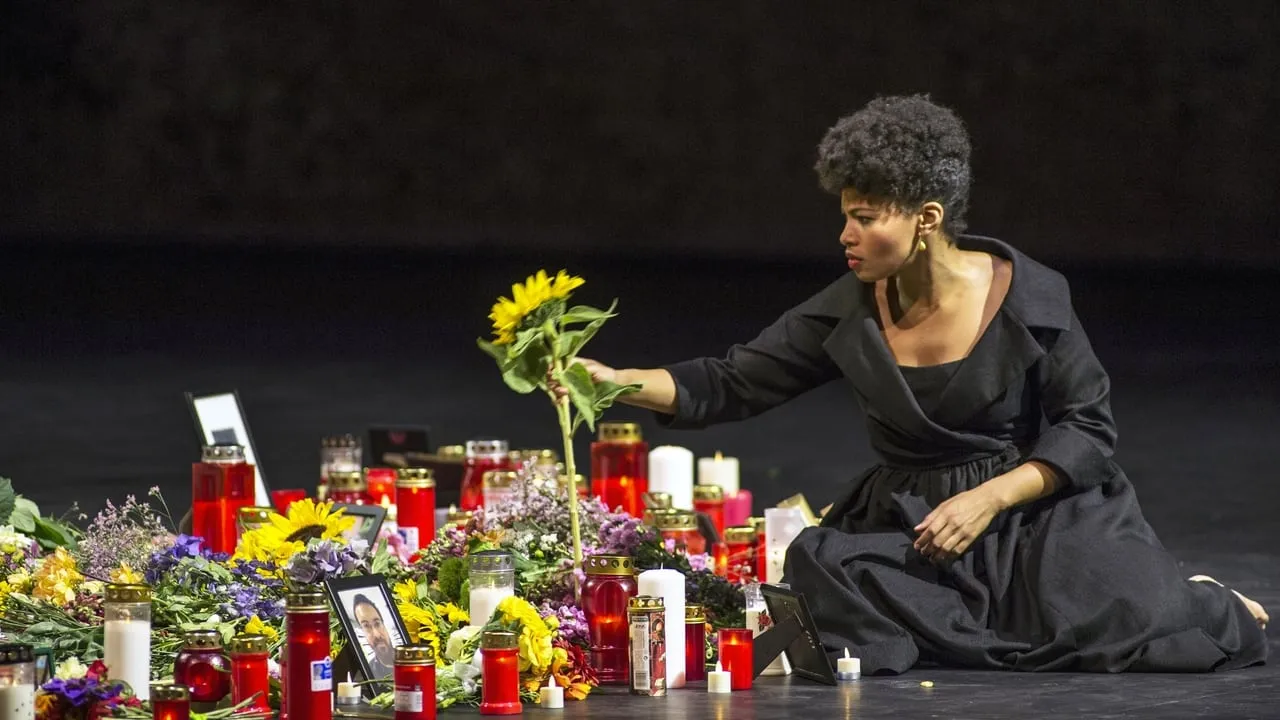
How do we live together in an age of conflict? How do you heal a divided and angry people? In their 2017 production of Mozart’s La clemenza di Tito, Peter Sellars and Teodor Currentzis examine these questions through the story of a warrior-emperor who brings peace to his divided land and pardons his own would-be assassins. Written under a time crunch (legend has it that it was written in only 18 days, although it is likely an exaggeration) during the last year of Mozart’s life, the opera is based on a libretto written more than half a century earlier by Pietro Metastasio. It was commissioned for the coronation of Leopold II as King of Bohemia, and received its first public performance at the Estates Theatre in Prague on September 6, 1791.
Direction
Sellars strips away baroque ornament for raw political urgency.
Score
Currentzis and musicAeterna make Mozart sound dangerously alive.
Acting
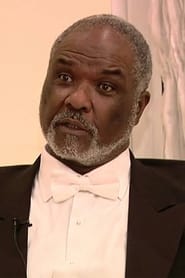
Russell Thomas embodies exhausted leadership with devastating restraint.

Director
Peter Sellars


Trivia, insights & behind the scenes
Commissioned for Leopold II's coronation, the opera premiered weeks before Mozart's death—making its meditation on legacy almost unbearably prophetic.
Sellars specifically cast singers of color as Romans and Europeans, a deliberate reversal of opera's traditional whitewashing that reframes who holds power.

No ratings yet
Sign in to join the discussion — comments are spoiler-gated to your watch progress.
Discussion starters

 AT
AT